
What Are "Mistakes," Really?

Orson Welles was once asked to define “genius,” and he gave what I thought was a fascinating response: “A genius is someone who takes advantage of accidents.”
I’ve thought about that a lot, and I’ve seen countless examples of that principle in the lives and careers of creative types from various fields, where individuals used unexpected disruptions to their advantage, or even their own mistakes. (James Joyce said something similar to Welles’ comment in Ulysses, btw: “A man of genius makes no mistakes. His errors are volitional and are the portals of discovery.”)
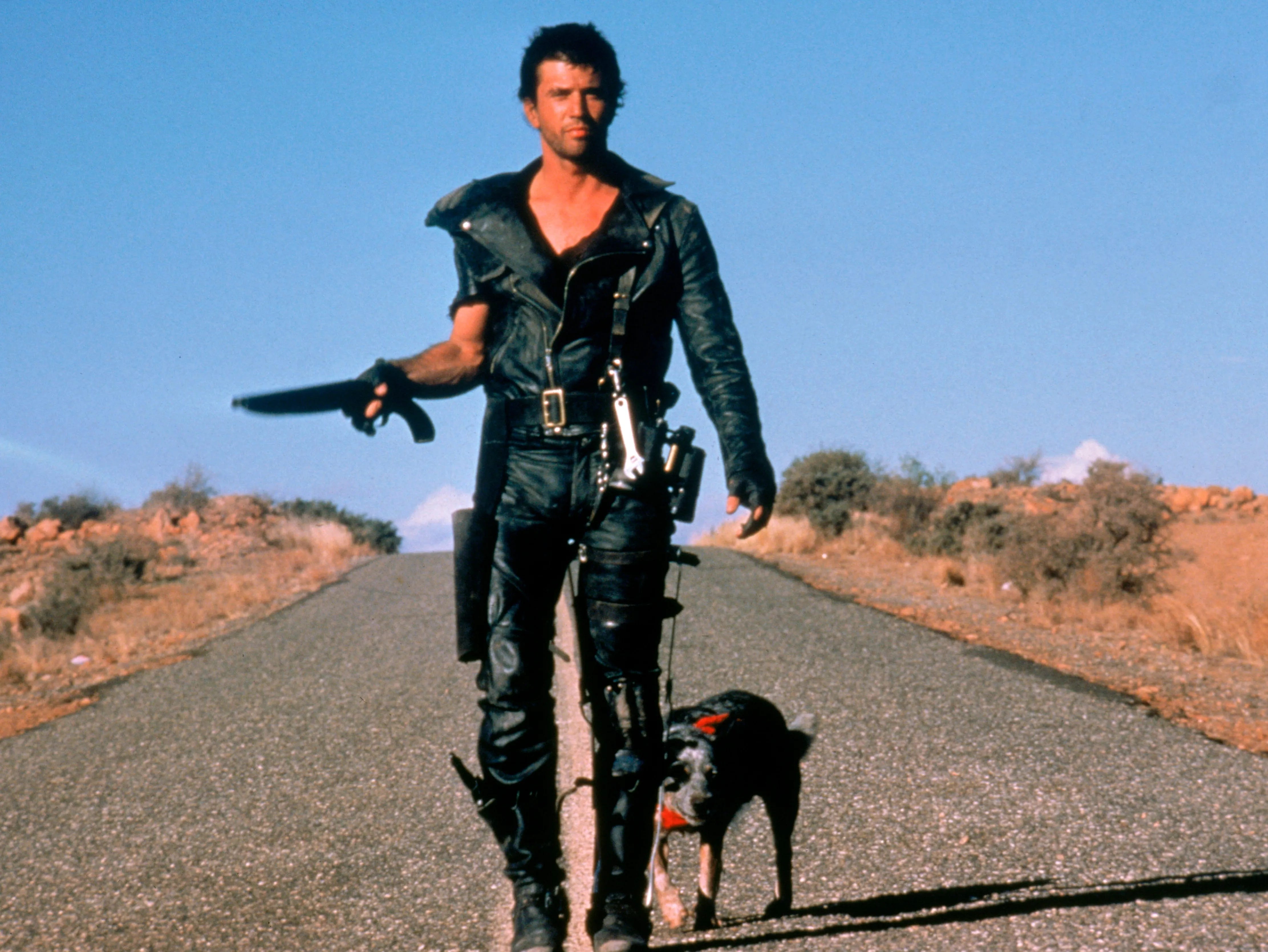
For instance, when film director George Miller couldn’t afford to shoot his original Mad Max film on city streets, he chose to shoot in the desert – and that environment became an iconic part of the franchise, to where it’s hard now to even imagine that franchise being set in other environments.
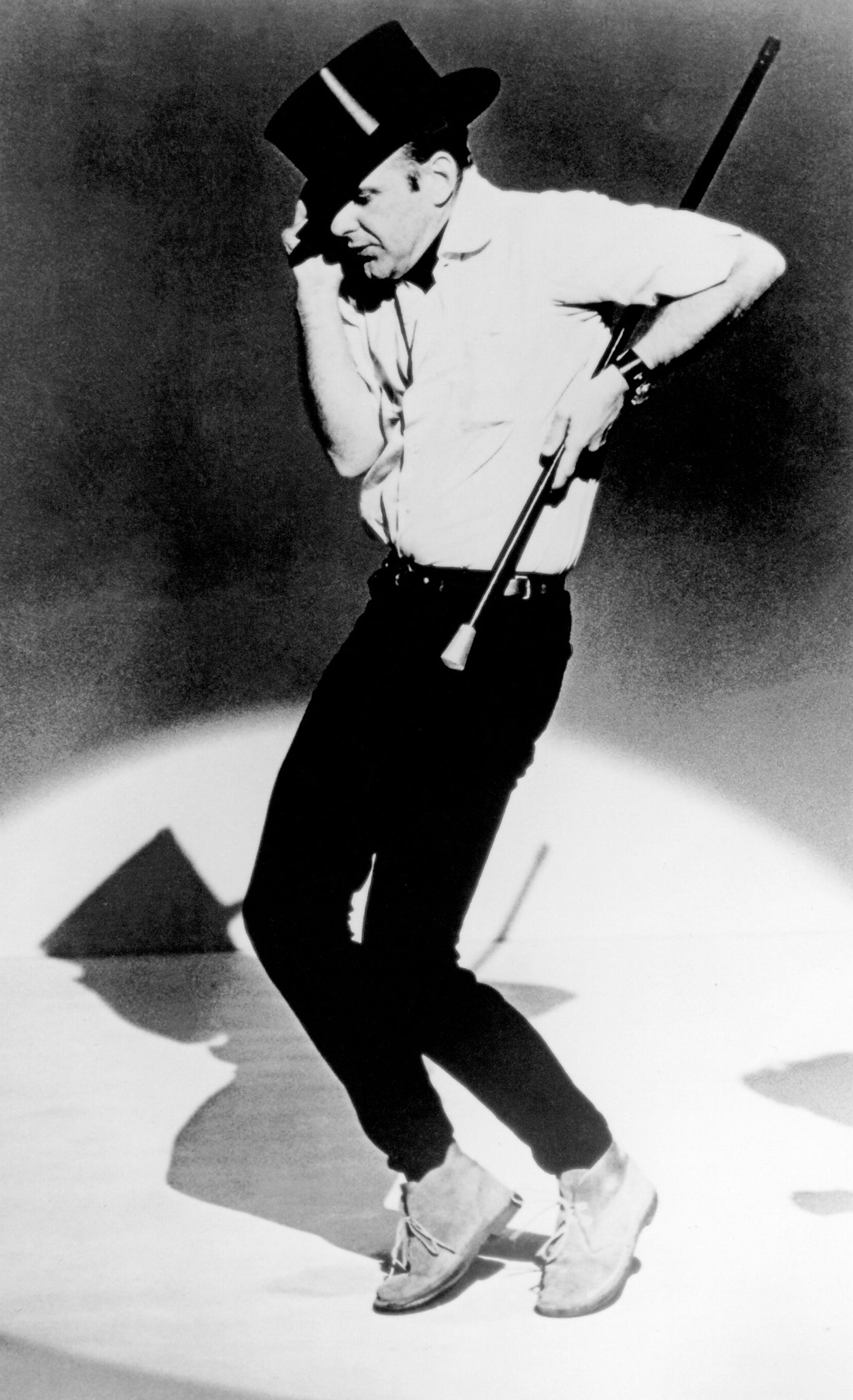
Or consider famed dancer and choreographer Bob Fosse, who was balding and had stooped shoulders – both of which could have easily doomed a dancing career on the stage. Yet he wound up making those very things the essence of his trademark style, using his stooped shoulders to advantage and covering his head with a distinctive hat.
Or look at Orson Welles himself. He was filming his movie Macbeth, but ran into a major problem when the costumes for a key sequence didn’t arrive on time, so he solved it by choosing to shoot that sequence in a steam bath, where the actors could get away with simply being half naked or wearing towels. Some called it a touch of genius.
I’ve heard countless other examples of this through the years. In oblique way, we find something similar in spiritual systems like Zen, which places great value on spontaneity and adaptability to life-circumstances. And of course it’s a key element of jazz, which not only places enormous emphasis on spontaneity but working with mistakes, and seeming “accidents.” There are countless anecdotes along those lines from the jazz field, such as Louis Armstrong supposedly creating “scat” singing after dropping the lyrics to “Heebie Jeebies” on the floor and deciding to improvise; or Miles Davis intentionally not giving fellow band members the scores to music until the day of the performances so that they’d be completely spontaneous and likely make mistakes.
If there’s a point here, I suppose it’s that whatever spark of genius we contain ourselves is shaped as much by the limitations and blockages we encounter as it is squelched and denied by them—presuming we respond creatively to them, of course. It’s something I try to put into practice when my own plans and expectations get disrupted by circumstance. Sometimes I actually pull it off. Sometimes.
This video talks about mistakes in jazz, and something the teacher intriguingly calls “Mistake Recovery Strategies.” I find it interesting on more levels than just one, maybe you will too.
Ray Grasse is a writer, astrologer, and photographer living in the American Midwest. He is author of ten books, most recently In the Company of Gods and So, What Am I Doing Here, Anyway? His websites are www.raygrasse.com and www.raygrassephotography.com.